Develop location map
The location map template generates a location map as a composite image, consisting of a map and one or several location marks. Optionally, labels and a caption can be added.
Render the map
Floarting right

This section is a blind text and will be expanded hopefully soon. Similar blind texts will be edited and expanded by the corresponding territory's owner. If you have any ideas about it, feel free to participate and edit this section. However, please respect other people's previous work – if you want to change already-developed ideas, contact the author. A stub is an article that, although sometimes providing more or less useful information, is too short to provide OGF encyclopedic coverage of a subject, and that is capable of expansion. Also non-article pages, such as disambiguation pages, lists, categories, templates, talk pages, and redirects, can be regarded as stubs. Due to the lack of time, some stub articles have little verifiable information, but its subject has an apparent notability. Stub articles and sections are very important to the life of a wiki. Adding a topic might inspire another community member to add to it, and eventually the topic has enough content to be valuable to the community. Stub pages help show the progressive nature of the wiki. Sizable articles are usually not considered stubs, even if they have significant problems or are noticeably incomplete. Over the years, different editors have followed different rules of thumb to help them decide when an article is likely to be a stub. Editors may decide that an article with more than ten sentences is too big to be a stub, or that the threshold for another article may be 250 words. Others follow other standards of e.g. 1500 characters in the main text. There is no set size at which an article stops being a stub.
Floarting left
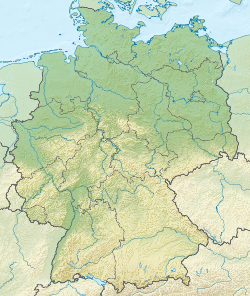

This section is a blind text and will be expanded hopefully soon. Similar blind texts will be edited and expanded by the corresponding territory's owner. If you have any ideas about it, feel free to participate and edit this section. However, please respect other people's previous work – if you want to change already-developed ideas, contact the author. A stub is an article that, although sometimes providing more or less useful information, is too short to provide OGF encyclopedic coverage of a subject, and that is capable of expansion. Also non-article pages, such as disambiguation pages, lists, categories, templates, talk pages, and redirects, can be regarded as stubs. Due to the lack of time, some stub articles have little verifiable information, but its subject has an apparent notability. Stub articles and sections are very important to the life of a wiki. Adding a topic might inspire another community member to add to it, and eventually the topic has enough content to be valuable to the community. Stub pages help show the progressive nature of the wiki. Sizable articles are usually not considered stubs, even if they have significant problems or are noticeably incomplete. Over the years, different editors have followed different rules of thumb to help them decide when an article is likely to be a stub. Editors may decide that an article with more than ten sentences is too big to be a stub, or that the threshold for another article may be 250 words. Others follow other standards of e.g. 1500 characters in the main text. There is no set size at which an article stops being a stub.
This section is a blind text and will be expanded hopefully soon. Similar blind texts will be edited and expanded by the corresponding territory's owner. If you have any ideas about it, feel free to participate and edit this section. However, please respect other people's previous work – if you want to change already-developed ideas, contact the author. A stub is an article that, although sometimes providing more or less useful information, is too short to provide OGF encyclopedic coverage of a subject, and that is capable of expansion. Also non-article pages, such as disambiguation pages, lists, categories, templates, talk pages, and redirects, can be regarded as stubs. Due to the lack of time, some stub articles have little verifiable information, but its subject has an apparent notability. Stub articles and sections are very important to the life of a wiki. Adding a topic might inspire another community member to add to it, and eventually the topic has enough content to be valuable to the community. Stub pages help show the progressive nature of the wiki. Sizable articles are usually not considered stubs, even if they have significant problems or are noticeably incomplete. Over the years, different editors have followed different rules of thumb to help them decide when an article is likely to be a stub. Editors may decide that an article with more than ten sentences is too big to be a stub, or that the threshold for another article may be 250 words. Others follow other standards of e.g. 1500 characters in the main text. There is no set size at which an article stops being a stub.
This section is a blind text and will be expanded hopefully soon. Similar blind texts will be edited and expanded by the corresponding territory's owner. If you have any ideas about it, feel free to participate and edit this section. However, please respect other people's previous work – if you want to change already-developed ideas, contact the author. A stub is an article that, although sometimes providing more or less useful information, is too short to provide OGF encyclopedic coverage of a subject, and that is capable of expansion. Also non-article pages, such as disambiguation pages, lists, categories, templates, talk pages, and redirects, can be regarded as stubs. Due to the lack of time, some stub articles have little verifiable information, but its subject has an apparent notability. Stub articles and sections are very important to the life of a wiki. Adding a topic might inspire another community member to add to it, and eventually the topic has enough content to be valuable to the community. Stub pages help show the progressive nature of the wiki. Sizable articles are usually not considered stubs, even if they have significant problems or are noticeably incomplete. Over the years, different editors have followed different rules of thumb to help them decide when an article is likely to be a stub. Editors may decide that an article with more than ten sentences is too big to be a stub, or that the threshold for another article may be 250 words. Others follow other standards of e.g. 1500 characters in the main text. There is no set size at which an article stops being a stub.
This section is a blind text and will be expanded hopefully soon. Similar blind texts will be edited and expanded by the corresponding territory's owner. If you have any ideas about it, feel free to participate and edit this section. However, please respect other people's previous work – if you want to change already-developed ideas, contact the author. A stub is an article that, although sometimes providing more or less useful information, is too short to provide OGF encyclopedic coverage of a subject, and that is capable of expansion. Also non-article pages, such as disambiguation pages, lists, categories, templates, talk pages, and redirects, can be regarded as stubs. Due to the lack of time, some stub articles have little verifiable information, but its subject has an apparent notability. Stub articles and sections are very important to the life of a wiki. Adding a topic might inspire another community member to add to it, and eventually the topic has enough content to be valuable to the community. Stub pages help show the progressive nature of the wiki. Sizable articles are usually not considered stubs, even if they have significant problems or are noticeably incomplete. Over the years, different editors have followed different rules of thumb to help them decide when an article is likely to be a stub. Editors may decide that an article with more than ten sentences is too big to be a stub, or that the threshold for another article may be 250 words. Others follow other standards of e.g. 1500 characters in the main text. There is no set size at which an article stops being a stub.
Position place markers
Checkered pattern with markers


This section is a blind text and will be expanded hopefully soon. Similar blind texts will be edited and expanded by the corresponding territory's owner. If you have any ideas about it, feel free to participate and edit this section. However, please respect other people's previous work – if you want to change already-developed ideas, contact the author. A stub is an article that, although sometimes providing more or less useful information, is too short to provide OGF encyclopedic coverage of a subject, and that is capable of expansion. Also non-article pages, such as disambiguation pages, lists, categories, templates, talk pages, and redirects, can be regarded as stubs. Due to the lack of time, some stub articles have little verifiable information, but its subject has an apparent notability. Stub articles and sections are very important to the life of a wiki. Adding a topic might inspire another community member to add to it, and eventually the topic has enough content to be valuable to the community. Stub pages help show the progressive nature of the wiki. Sizable articles are usually not considered stubs, even if they have significant problems or are noticeably incomplete. Over the years, different editors have followed different rules of thumb to help them decide when an article is likely to be a stub. Editors may decide that an article with more than ten sentences is too big to be a stub, or that the threshold for another article may be 250 words. Others follow other standards of e.g. 1500 characters in the main text. There is no set size at which an article stops being a stub.
Map in outer box

This section is a blind text and will be expanded hopefully soon. Similar blind texts will be edited and expanded by the corresponding territory's owner. If you have any ideas about it, feel free to participate and edit this section. However, please respect other people's previous work – if you want to change already-developed ideas, contact the author. A stub is an article that, although sometimes providing more or less useful information, is too short to provide OGF encyclopedic coverage of a subject, and that is capable of expansion.
Using relative positions
This section is a blind text and will be expanded hopefully soon. Similar blind texts will be edited and expanded by the corresponding territory's owner. If you have any ideas about it, feel free to participate and edit this section. However, please respect other people's previous work – if you want to change already-developed ideas, contact the author. A stub is an article that, although sometimes providing more or less useful information, is too short to provide OGF encyclopedic coverage of a subject, and that is capable of expansion. Also non-article pages, such as disambiguation pages, lists, categories, templates, talk pages, and redirects, can be regarded as stubs. Due to the lack of time, some stub articles have little verifiable information, but its subject has an apparent notability. Stub articles and sections are very important to the life of a wiki. Adding a topic might inspire another community member to add to it, and eventually the topic has enough content to be valuable to the community. Stub pages help show the progressive nature of the wiki. Sizable articles are usually not considered stubs, even if they have significant problems or are noticeably incomplete. Over the years, different editors have followed different rules of thumb to help them decide when an article is likely to be a stub. Editors may decide that an article with more than ten sentences is too big to be a stub, or that the threshold for another article may be 250 words. Others follow other standards of e.g. 1500 characters in the main text. There is no set size at which an article stops being a stub.

This section is a blind text and will be expanded hopefully soon. Similar blind texts will be edited and expanded by the corresponding territory's owner. If you have any ideas about it, feel free to participate and edit this section. However, please respect other people's previous work – if you want to change already-developed ideas, contact the author. A stub is an article that, although sometimes providing more or less useful information, is too short to provide OGF encyclopedic coverage of a subject, and that is capable of expansion.
Add text to markers/positions
This section is a blind text and will be expanded hopefully soon. Similar blind texts will be edited and expanded by the corresponding territory's owner. If you have any ideas about it, feel free to participate and edit this section. However, please respect other people's previous work – if you want to change already-developed ideas, contact the author. A stub is an article that, although sometimes providing more or less useful information, is too short to provide OGF encyclopedic coverage of a subject, and that is capable of expansion.